

Yoga and mental health
Mondays @ 6:45pm
Every Monday at 6:45pm-9:15pm
Class Info
Class Overview
Stories about rising levels of anxiety and anxious feelings make headlines all over the world, with articles recommending different ways to reduce those feelings. Yoga is a great alternative to this. With its emphasis on breathing exercises and meditation, yoga helps to calm and focus the mind. It would be fair to say that yoga is not only beneficial for mental health, but it also helps us in problems like migraine, depression, anxiety, and insomnia.
Depression
Depression is classified as a mood disorder. People experience depression in different ways. It can interfere with your daily functioning, resulting in loss of time, affecting relationships and some chronic health conditions.
Symptoms of diabetes
- Increased the thirst
- Frequent urination
- Extreme hunger
- Unexplained weight loss
- Presence of ketones in urine
- Tiredness
- Irritability
- Blurred vision
- slow healing wounds
- Frequent infections, such as gum or
- skin infections and vaginal infections
Symptoms of depression
Symptoms of depression may include:
Symptoms of depression may include:
Depressed mood, less interest in daily activities
Loss of sexual desire, Changes in appetite
Unintentional weight loss or gain
Sleeping too much or too little
Fatigue or loss of energy, feeling of wrongdoing or guilt
Difficulty thinking, concentrating or making decisions
Recurrent thoughts of death or suicide, or attempted suicide
Anxiety
Anxiety is your body’s natural response to stress. The first day of school, a job interview, or a speech can leave most people feeling scared and nervous. But if you have extreme feelings of anxiety that last for more than six months and are interfering with your life, you may have an anxiety disorder.
Symptoms of anxiety
Common anxiety symptoms include:
Increased heart rate
rapid breathing
restlessness
trouble concentrating
Difficulty sleeping
Migraine
A migraine is usually a severe throbbing headache that can last for hours or even days. The headache gradually gets worse. Any movement, movement, bright light, or loud sound seems to hurt more.
Symptoms of migraine
Fast throbbing or dull pain on one side or both sides of your head.
Pain that is aggravated by physical activity.
Vomiting or nausea.
Changes in the way you see, including blurred vision or blind spots.
Disturbed by light, noise or smell.
Feeling tired and/or confused.
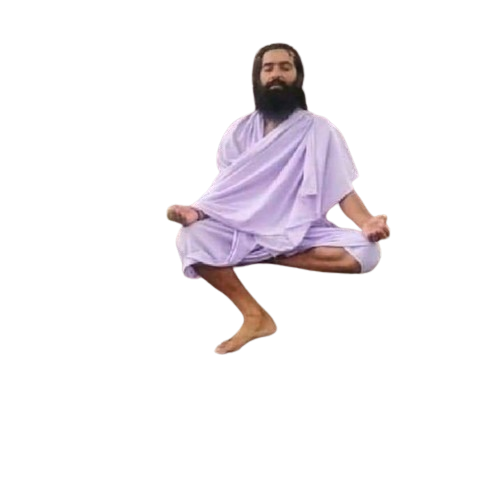
Contact Our Yoga Guru Ji
Testimonials
What People Are Saying
-
Thank you so much Trigart Divya Yog for being such an amazing and inspirational yoga classes. I admire Acharya Ranjeet ji's confidence in all that you do and say:-) 🙂 🙂

Shweta Kalia
July 7, 2021 Kashish mehra
July 7, 2021 Aanchal Mehra
July 7, 2021 Mousumi Deo
July 7, 2021 Piyush Mehta
July 7, 2021Best yoga centre in the world 🙏❤💐💐
Shivanshi
July 7, 2021 Pranshul Choudhary
July 7, 2021 SHINING GEMS OF SHEMROCK STARSHINE Megha ohri
July 7, 2021 Surbhi Jamwal
July 7, 2021 -
prince Guleria
July 7, 2021 Rraj Kumar
July 7, 2021 sachin sehgal
July 7, 2021 Abhishek sharma
July 7, 2021𝙸 𝚛𝚎𝚊𝚕𝚕𝚢 𝚎𝚗𝚓𝚘𝚢𝚎𝚍. 𝙸 𝚌𝚘𝚗𝚝𝚒𝚗𝚎 𝚍𝚒𝚜𝚌𝚘𝚟𝚎𝚛𝚒𝚗𝚐 𝚐𝚛𝚎𝚊𝚝 𝚚𝚞𝚊𝚕𝚒𝚝𝚒𝚎𝚜 , 𝚓𝚘𝚢 𝚊𝚗𝚍 𝚋𝚕𝚎𝚜𝚜𝚒𝚗𝚐 𝚝𝚑𝚛𝚘𝚞𝚐𝚑 𝚢𝚘𝚐𝚊 𝚝𝚑𝚊𝚗𝚔𝚞 𝚏𝚛𝚘𝚖 𝚝𝚑𝚎 𝚋𝚘𝚝𝚝𝚘𝚖 𝚘𝚏 𝚖𝚢 𝚑𝚎𝚊𝚛𝚝 ❤
Rakhi Sharma
July 7, 2021 Muskan Vohra
July 7, 2021 Bharti Mehra
July 7, 2021 Rishab Choudhary
July 7, 2021 kaushalya mehta
July 7, 2021 -
Sonia Chaudhary
July 7, 2021Best Yoga center of this Region do join for better Health
Meenu Kaushal
July 7, 2021 Sandeep Kumar
July 7, 2021 17 - Muskan Damir
July 7, 2021 Rishita Choudhary (Timtim)
July 7, 2021 Mohinder Singh
July 7, 2021
July 7, 2021
July 7, 2021
July 7, 2021